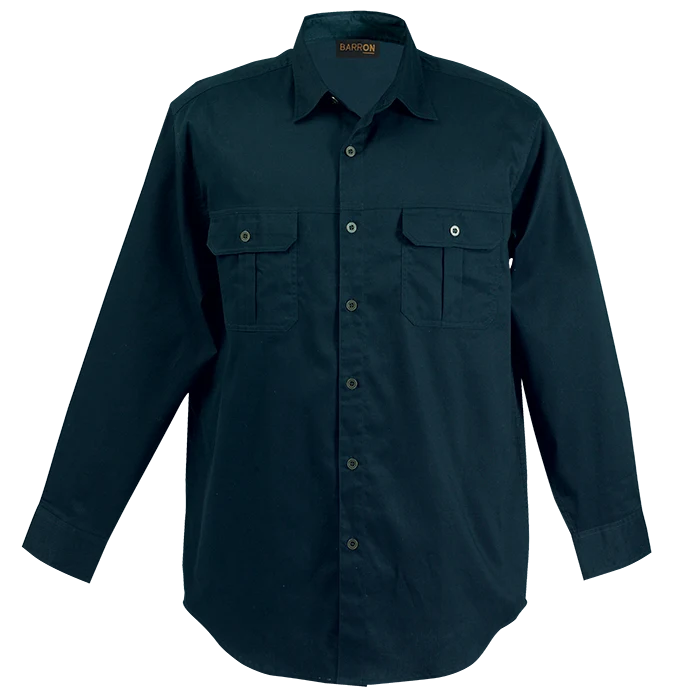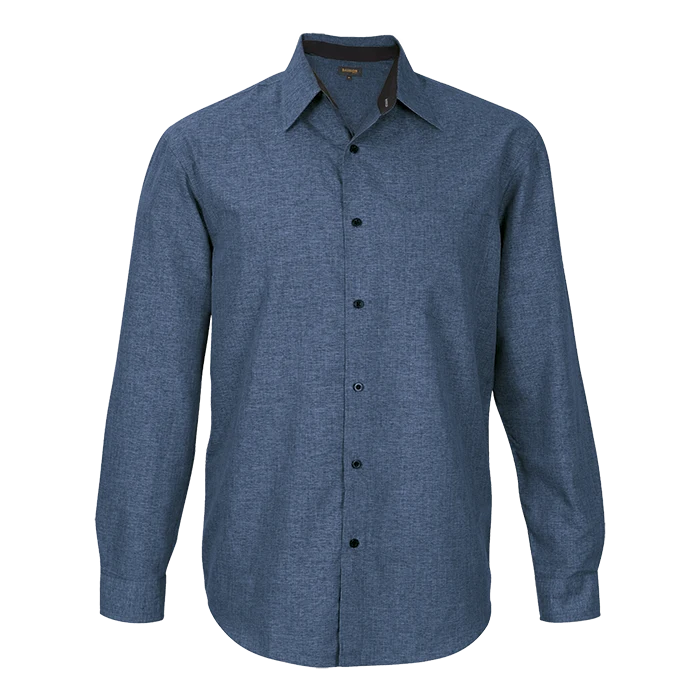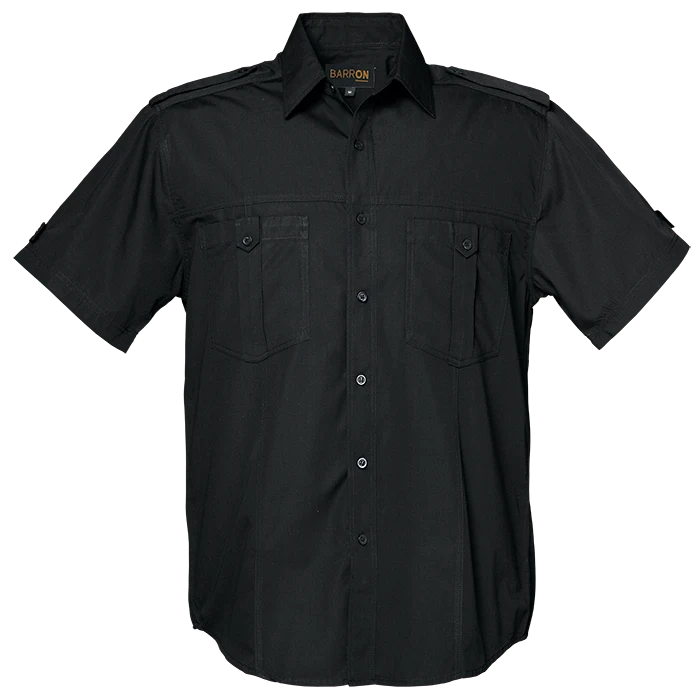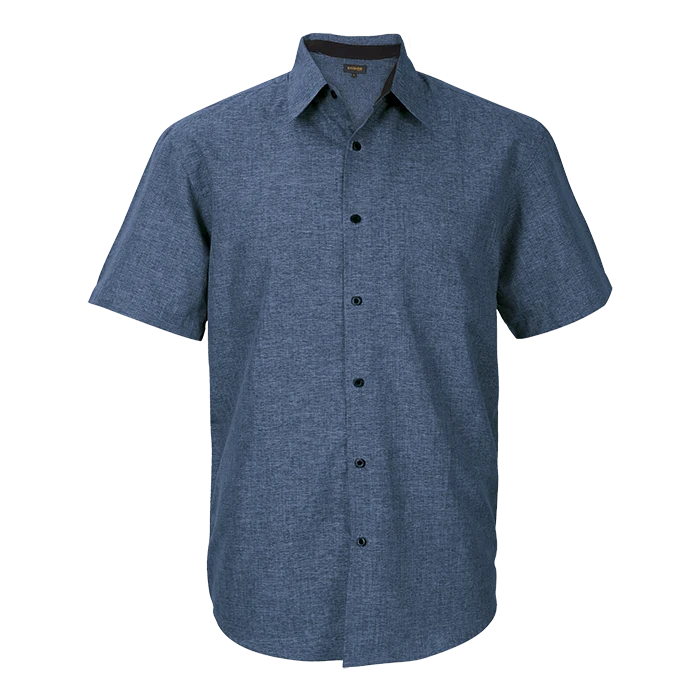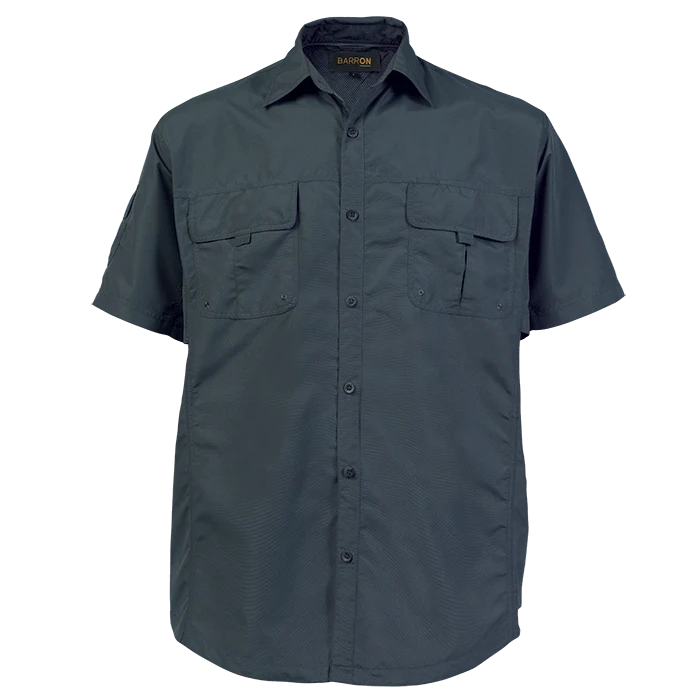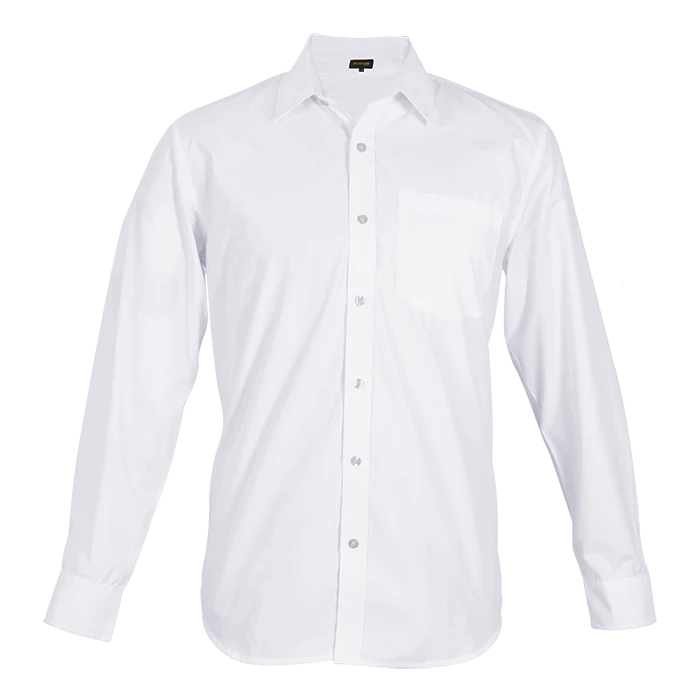
Compare sleeve lengths and formal or corporate shirt formats around the way the team will wear them. Product measurements and construction decide the fit.
Start with the dress requirement
A formal meeting role may need a different sleeve choice from a more casual office setting. Check whether cuffs, pockets and collar details are listed for the shortlisted shirt. Do not assume two sleeve versions have identical measurements.
Read composition and care
Compare the stated fabric composition and ask for care instructions before making a staff-wide choice. An easy-care or other treatment should only be relied on when specified for the actual product. Confirm any requirements that are essential to the working routine.
Allocate variants clearly
If different roles use different sleeve lengths, keep model codes and quantities separate. Add colour, size and artwork requirements to each group. Clear line items help the team quote the right products without merging unlike styles into one total.
Compare catalogue formats
| Range | What to compare |
|---|---|
| Mens Long Sleeve Shirts | Long-sleeve office and corporate styles. Compare cuffs, collar, pockets and the available size chart before preparing an order. |
| Mens Short Sleeve Shirts | Short-sleeve shirt formats for team and office wardrobes. Confirm collar details, fit and fabric composition for the chosen model. |
| Mens Corporate Shirts | Collared shirts for office and team wardrobes. Confirm sleeve length, fabric, fit and the available size chart for the chosen model. |
Useful reading before your enquiry
- Read the fabric before choosing a uniform shirt. — Fabric composition affects the feel and care of a working shirt.
- Plan shirts per person, then collect the sizes. — A uniform order should separate the number of people from the number of garments.
- Make a corporate shirt logo look deliberate. — A restrained logo can sit comfortably within an office dress code.
Artwork and branding requirements · Ordering and delivery arrangements · Speak to the team